
Dog Rabies Shot Risks and Side Effects Every Dog Owner Should Know
When it comes to the dog rabies shot, most pet owners assume it is a routine and necessary part of keeping their dogs healthy. However, the reality is that some dogs can experience serious side effects from this vaccine. This heartfelt story shares the experience of Gayle Wyche, a longtime Valor K9 Academy client, whose Golden Retriever, Odie, suffered adverse reactions after his dog rabies shot, highlighting why informed vaccination choices are so important for every dog owner.
Valor K9 Academy client, Gayle Wyche, lost her beloved Golden Retriever, Odie, after a rabies booster shot. Her hope in sharing this story is to educate and empower other pet owners to make informed vaccination choices.

About Odie
Odie was just two years old and had already completed puppy, basic, intermediate, and advanced obedience training at Valor K9 Academy. He proudly held multiple AKC titles, including THD, CGCA, CGCU, THA, and Achiever Dog.
More than that, Odie was a Certified Therapy Dog with over 100 therapy visits, bringing joy to Alzheimer’s and Dementia patients in Spokane through the Alliance of Therapy Dogs and Horizon Hospice.
Healthy, fit, and fed a raw diet, Odie represented the picture of canine wellness. That’s why what happened next was so shocking.

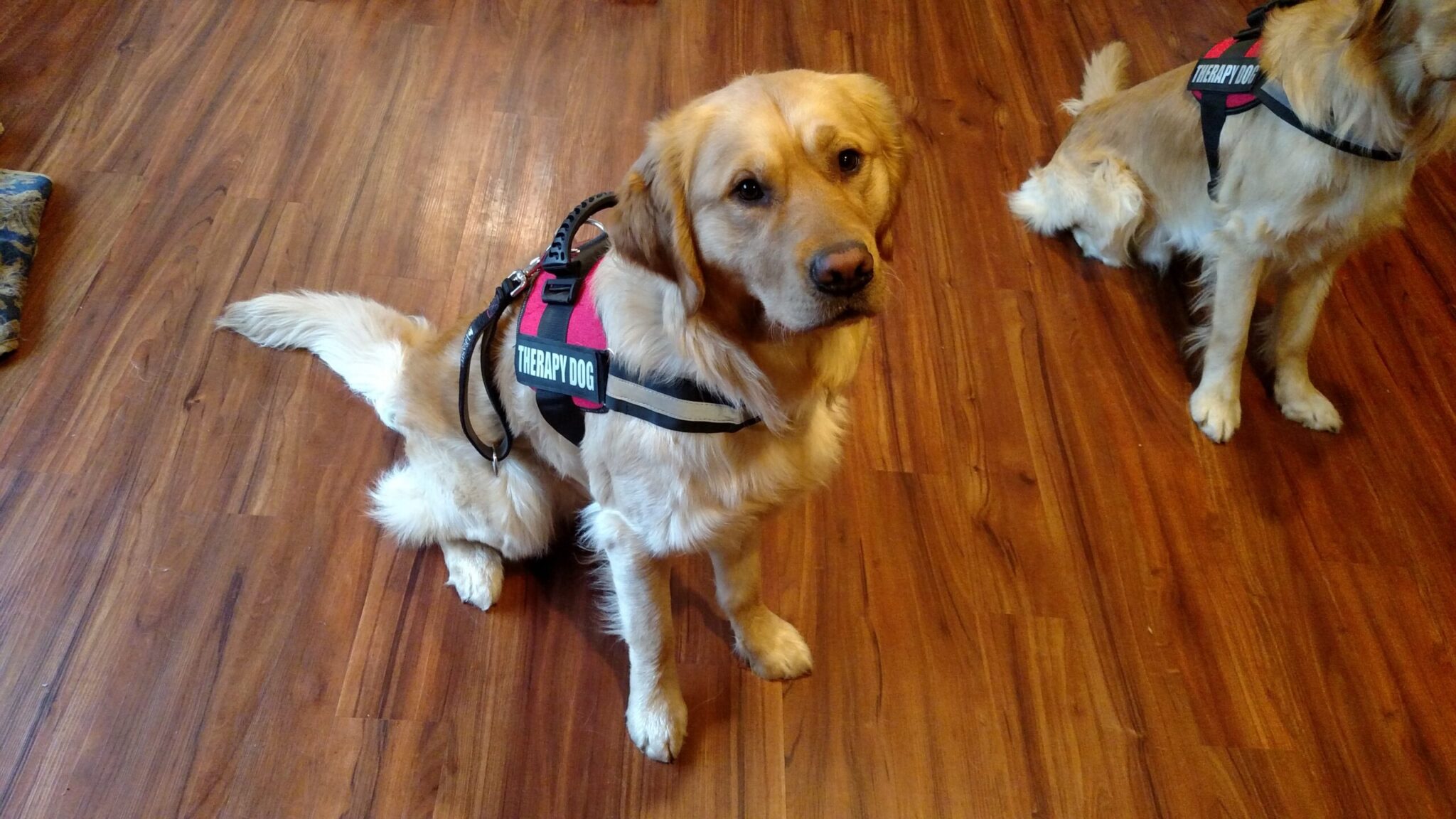
Odie and brother, Loki, Valor K9 Academy graduates
Within 30 Days of the Dog Rabies Shot
Within 30 days of receiving his dog rabies vaccine, Odie began to show changes in behavior that at first seemed minor: staring into space, excessive licking, panting, pacing, and becoming overly clingy. But soon, he suffered his first grand mal seizure—then another, and another—until they wouldn’t stop.
No one should ever have to witness that. His passing was a tragic wake-up call about the potential side effects of the dog rabies shot.
Understanding Vaccinosis (Adverse Vaccine Reactions)
What Gayle later learned is that Odie’s condition matched a known reaction called vaccinosis—a collection of symptoms and diseases caused by over-vaccination. Many dog owners trust their vets’ recommendations to vaccinate annually, unaware that “booster” shots are often the exact same full-strength rabies shot for dogs given previously.
Long-Term Effects of Over-Vaccination
Some veterinarians have since acknowledged the long-term effects that over-vaccination can cause. These include immune system disorders, cancers, chronic inflammation, and neurological issues. The following are among the adverse reactions linked to the dog rabies vaccine, as outlined by veterinarian Patricia Jordan, DVM:
-
Fibrosarcomas at or near injection sites
-
Other cancers, including mast cell, hemangiosarcoma, and lymphoma
-
Benign growths like lipomas that enlarge or become malignant
-
Digestive disorders, such as chronic diarrhea or colitis
-
Seizures and epilepsy
-
Severe allergies—food, environmental, and inhalant
-
Chronic skin issues, including rashes, hot spots, alopecia, yeast infections, and itching
-
Ear and eye infections
-
Muscle weakness or atrophy, including degenerative myelopathy
-
Autoimmune diseases, such as lupus or thyroiditis
-
Metabolic diseases, including diabetes, Cushing’s, and Addison’s disease
These are not isolated problems. As Gayle points out, the health of many modern dog breeds has declined compared to decades past, when cancer and autoimmune disease in young dogs were far less common.
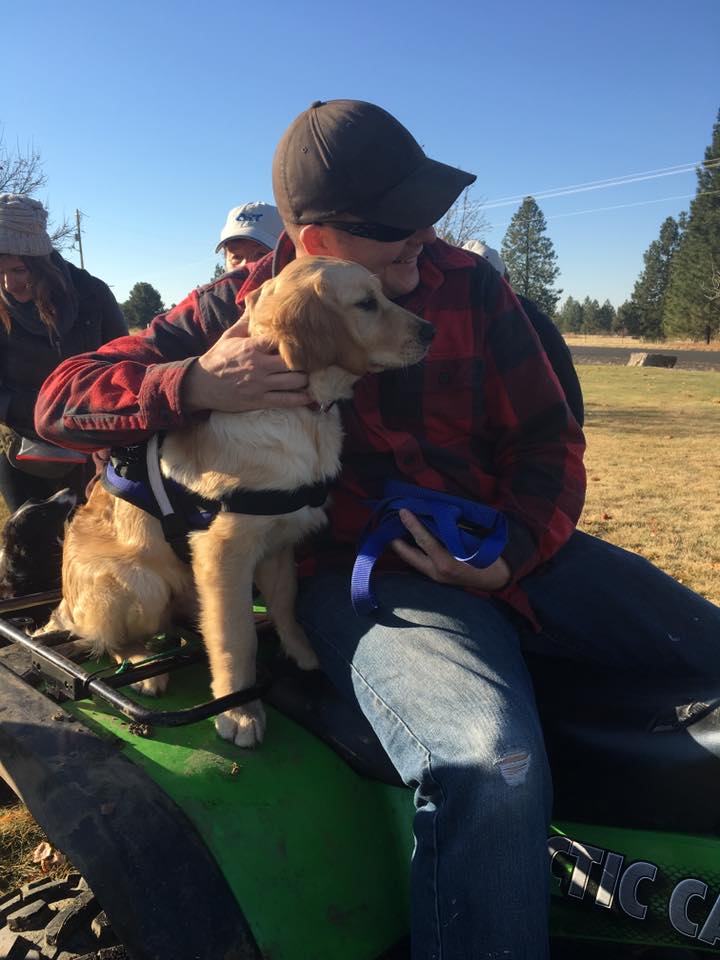
Odie and Valor K9 Academy’s Justin Pishner during Puppy Class
Behavioral Problems Linked to the Dog Rabies Shot
Behavioral issues can also emerge because the rabies virus—and the vaccine—affect the amygdala in the brain, the center that controls fear and aggression. Many dogs experience neurological changes that lead to troubling behavior patterns after vaccination. Some documented behavioral side effects of the dog rabies shot include:
-
Heightened sensitivity to sound, movement, and touch
-
Sudden, unprovoked aggression or fear-based reactions
-
Separation anxiety, timidity, or suspicion toward people
-
Obsessive or compulsive behaviors like tail-chasing or fly-biting
-
Excessive licking or sexual behaviors
-
Involuntary urination or muscle spasms
-
Episodes of agitation, pacing, or restlessness
-
Aimless wandering, vocalization, or irrational fears
If any of these symptoms appear after a rabies vaccination, it’s important to contact your veterinarian and report them to the USDA’s Adverse Event Reporting site
What You Can Do as a Dog Owner
Gayle encourages all dog owners to be proactive and informed when it comes to their pets’ health and the dog rabies vaccine:
-
Review the vaccine insert before consenting to vaccination.
-
Request a titer test to check your dog’s immunity before revaccinating.
-
Avoid vaccinating when your dog is sick, recovering from surgery, or stressed.
-
Stagger vaccines by at least three weeks to give the immune system time to recover.
-
Seek veterinarians who use thimerosal-free vaccines and stay up to date on immunology research.
Remember: the goal of any vaccine is to provide immunity, not to create unnecessary risk through overuse.

Odie at Valor K9 Academy Open Gym
Odie’s Legacy and “Odie’s Law”
Following Odie’s death, Gayle proposed “Odie’s Law” to the Washington State Board of Health in 2019. The amendment sought to allow medical exemptions from the rabies shot for dogs with health issues, as determined by a licensed veterinarian.
Although the petition was denied, her advocacy sparked important conversations about updating vaccination laws to reflect modern science. She continues to encourage owners and veterinarians to prioritize individual health and informed choice over outdated, one-size-fits-all vaccination schedules.
Final Thoughts on Dog Rabies Shot Safety
Gayle firmly believes in vaccinations for their intended purpose—to prevent disease and protect public health. But she also believes we should not ignore the science or the consequences of over-vaccination.
Did you know your 80-pound Golden Retriever, 3-pound Pekingese, and 1,200-pound horse all receive the same dosage of the rabies vaccine? There’s no dosage scaling by weight or breed, and few long-term studies have investigated the effects.
As science evolves, so should our approach to dog rabies shots. By staying informed, supporting holistic veterinarians, and advocating for change, we can protect both our dogs and the generations of dogs to come.
In Loving Memory of Odie
Odie’s story is more than a warning—it’s a call for awareness, compassion, and responsibility. His memory lives on through the countless lives that will be changed because of his story.
Thank you, Gayle, for sharing Odie’s journey with the Valor K9 Academy community and helping dog owners everywhere make more informed choices about the dog rabies shot.
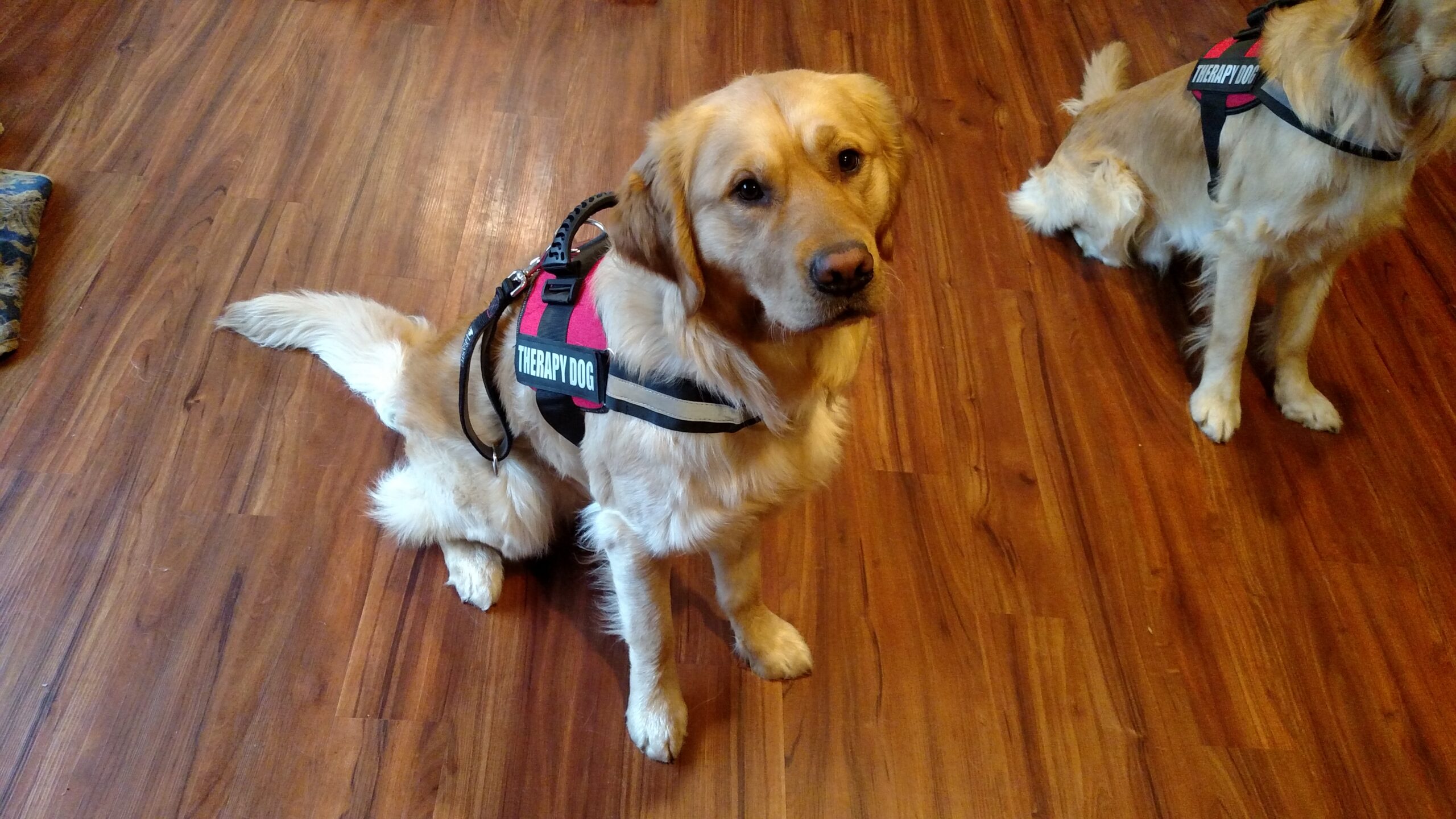
In Memory of Therapy Dog Odie, RIP