

Learn the 3 Types of Assistance Dogs [ESA, Therapy, and Service]
Many people know the terms ESA, therapy dogs, and service dogs, but few truly understand how they differ. Learning about ESA vs therapy dogs vs service dogs helps you respect their roles, understand handlers’ rights, and ensure these working dogs perform safely and effectively. This guide explains each type of assistance dog, their purpose, and what makes them unique.
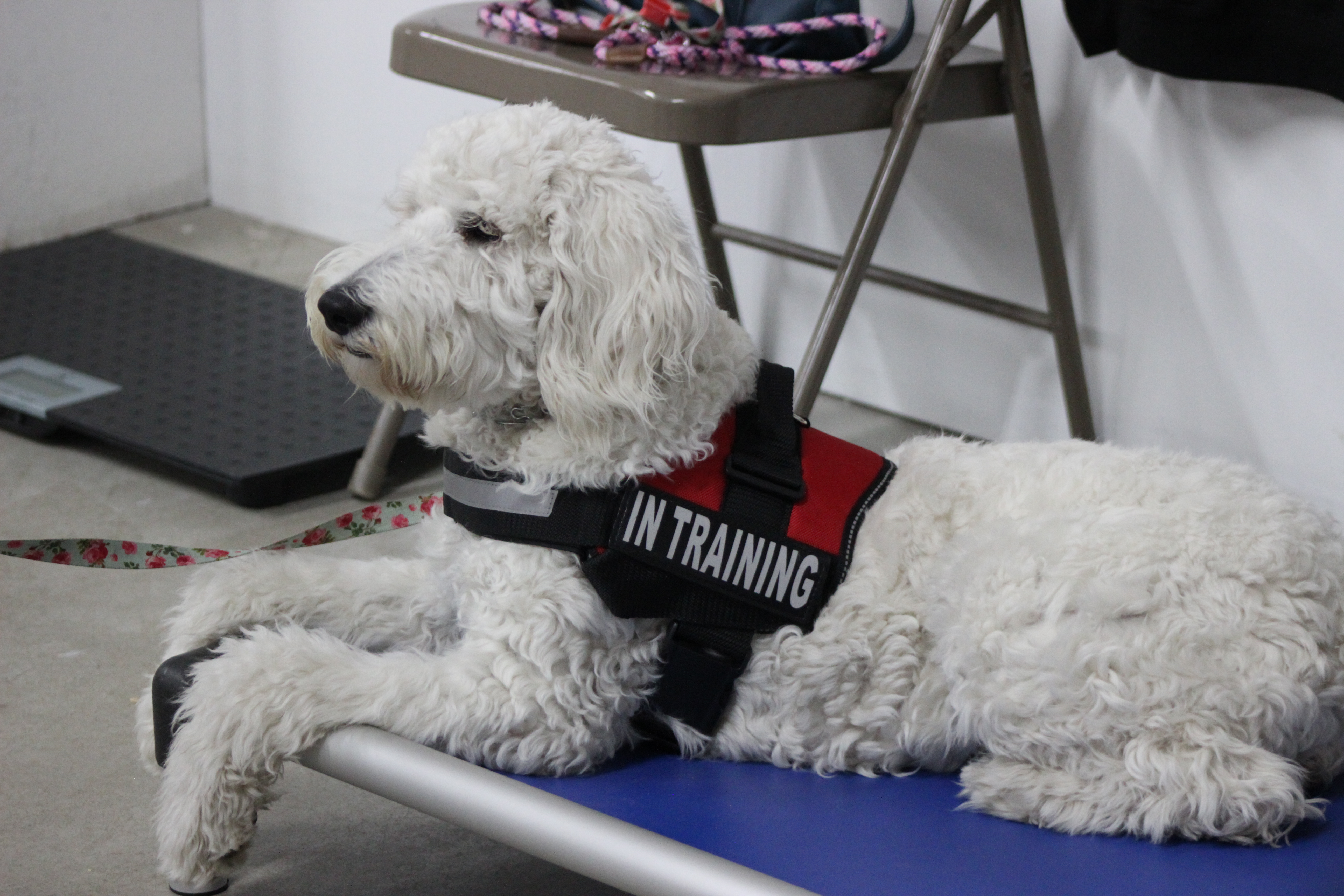
Emotional Support Animals (ESA)
Emotional Support Animals (ESAs) provide comfort and emotional support to their handler. Unlike service dogs, ESAs don’t perform specific tasks. They primarily offer companionship to people dealing with anxiety, depression, or other emotional challenges.
Under Washington State law (RCW 49.60.040(25)), ESAs aren’t considered service dogs and don’t receive the same legal protections. Despite this, they improve quality of life and independence for their handlers. The US Department of Housing and Urban Development (HUD) gives ESAs limited housing protections.
Therapy Dogs
Therapy dogs visit hospitals, schools, nursing homes, and other care facilities to bring comfort, joy, and education to people. They share some qualities with ESAs, such as calmness and friendliness, but they aren’t protected by law as service dogs. Owners must follow pet policies in public spaces.
Therapy dogs learn to handle different environments and interact safely with many people, making them valuable for emotional support, education, and mental well-being.
Service Dogs
Service dogs perform specific tasks to assist their handler with a disability. They receive legal protection under the ADA and state laws, but no certification or documentation is required to recognize a service dog.
In Washington State (RCW 49.60.214), handlers answer two questions about their service dog:
-
“Is the animal required because of a disability?”
-
“What task or work has the animal been trained to perform?”
Service dogs behave calmly in public, ignore distractions, and respond reliably to their handler. Misrepresenting a service dog now counts as a civil infraction, with fines for falsely claiming pets or ESAs as service dogs.

Flying with Assistance Dogs
Air travel rules differ for ESAs, therapy dogs, and service dogs. The TSA no longer allows ESAs to travel as emotional support animals, while service dogs travel with their handler. Therapy dogs count as pets and must follow airline pet policies. Always check the airline’s rules before traveling.
Why Understanding ESA vs Therapy Dogs vs Service Dogs Matters
Understanding the differences between ESAs, therapy dogs, and service dogs helps the public respect these animals’ work. It also ensures handlers can fully use their assistance dogs while keeping everyone safe.
At Valor K9 Academy, we train service dogs, therapy dogs, and emotional support dogs. Email us at info@valork9academy.com


Written by Amy Pishner
About the Author:
Amy Pishner is the Founder of Valor K9 Academy, a veteran-owned dog training company in Boise, Idaho. With over a decade of experience training thousands of dogs, Amy specializes in balanced dog training that builds trust, obedience, and lasting results.