Marker Training for Dogs with Amy Pishner | Valor K9 Academy
If you want clear, consistent communication with your dog, start by mastering marker training for dogs. Marker words help your dog understand exactly what behavior is being rewarded—or corrected—at any given moment. This approach speeds up learning, builds confidence, and minimizes confusion in training.
At Valor K9 Academy, we use a three-word marker system based on classical conditioning:
Good, No, and Free.
These simple, consistent markers form the foundation of our communication with dogs in obedience training, behavior work, and real-world scenarios.
What Are Marker Words in Dog Training?
Marker words (also called training markers) are verbal cues or sounds that “mark” a specific behavior the instant it happens. Think of them as snapshots in time—a clear signal to your dog: “Yes, that’s what I wanted” or “No, that wasn’t right.”
Used correctly, marker words help create faster learning, stronger engagement, and clearer expectations.
We teach them using Classical Conditioning:
Say the marker → pause → follow up with a consequence (positive or negative).
Over time, the dog associates meaning with each marker—making it a powerful tool in your training toolkit.
Our 3-Word Marker System: Good, No, Free
Here’s a breakdown of each word, how we use it, and why it matters.
1. Good — The Reward Marker
What it means: “That was correct. Keep going.”
How it works:
When your dog performs a desired behavior (like sitting on command), say “Good,” pause for about a second, then offer a reward.
Reward examples:
- Food (initially)
- Verbal praise
- Affection or play (as the dog advances)
Purpose: This builds engagement and duration in behaviors. It tells the dog they’re on the right track and encourages them to continue.
2. No — The Correction Marker
What it means: “That’s not what I wanted. Try again or stop.”
How it works:
Use “No” to mark mistakes, disobedience, or inappropriate behavior. After a short pause, follow up with:
- A light correction
- A redirection
- A restatement of the command
- An alternate behavior
Training Tip: For green dogs (dogs new to training), we often substitute “Nope” during obedience sessions. It’s gentler, implying, “Not quite—try again!” We reserve “No” for clear disobedience or problematic behaviors.
3. Free — The Release Marker
What it means: “You’re done! You can relax and come for a reward.”
How it works:
Use “Free” to end a command or release the dog from a stationary position (like “Sit” or “Down”). After saying it, take a step back and reward your dog.
Reward examples:
- Treats
- Play or praise
- Excitement and freedom of movement
This marker teaches dogs when they’re finished working and builds anticipation and motivation.
Important Tips for Using Marker Words Effectively
 Consistency Is Everything
Say markers the same way every time—calm, clear, and neutral. Avoid emotional tones that can confuse your dog or cause them to interpret your mood instead of your meaning.
Timing Matters
Always pause briefly (about one second) after the marker before delivering the consequence (reward or correction). This reinforces the cause-effect relationship.
Wrong: Saying “Good” while handing the treat.
Right: Say “Good,” pause, then give the treat.
This delay is critical for Classical Conditioning—the science behind how dogs learn associations.
 Don’t Layer Your Markers
Layering happens when the marker and the reward (or correction) are delivered at the exact same time. This dilutes the marker’s meaning.
Proper sequence:
 Mark the behavior → pause → follow through
 Repetition Builds Understanding
It typically takes 120 to 150 quality repetitions for a marker to become conditioned in a dog’s mind. Stay patient and consistent.
Once your dog fully understands markers, your communication becomes faster, cleaner, and more effective—for life.
Final Thoughts
Learning to use marker words is one of the simplest yet most powerful tools in dog training. Whether you’re working with a puppy or an adult dog, markers streamline communication and reinforce trust and understanding.
At Valor K9 Academy, we’ve used this three-word marker training system with thousands of dogs—and it works. Questions? Contact us anytime.
Happy training!
Published: July 6, 2021
By Amy Pishner of Valor K9 Academy® | Dog Training Tips
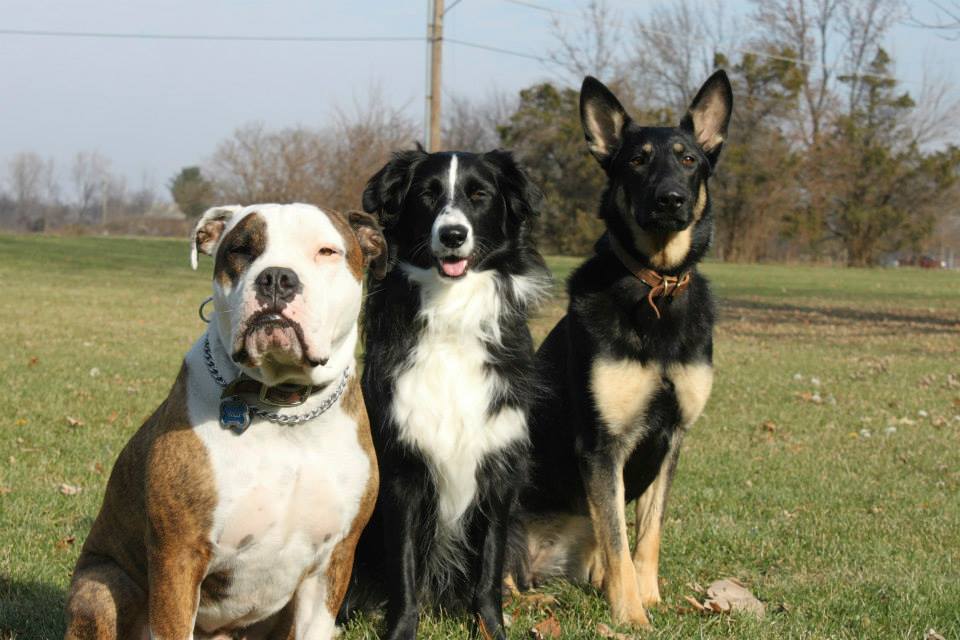
 Featured photo L to R: Willie (private lesson student), Zoey (my personal dog), and Spike (board & train student) circa 2013