
Puppy Exercise Injury Prevention: Keep Your Young Dog Safe
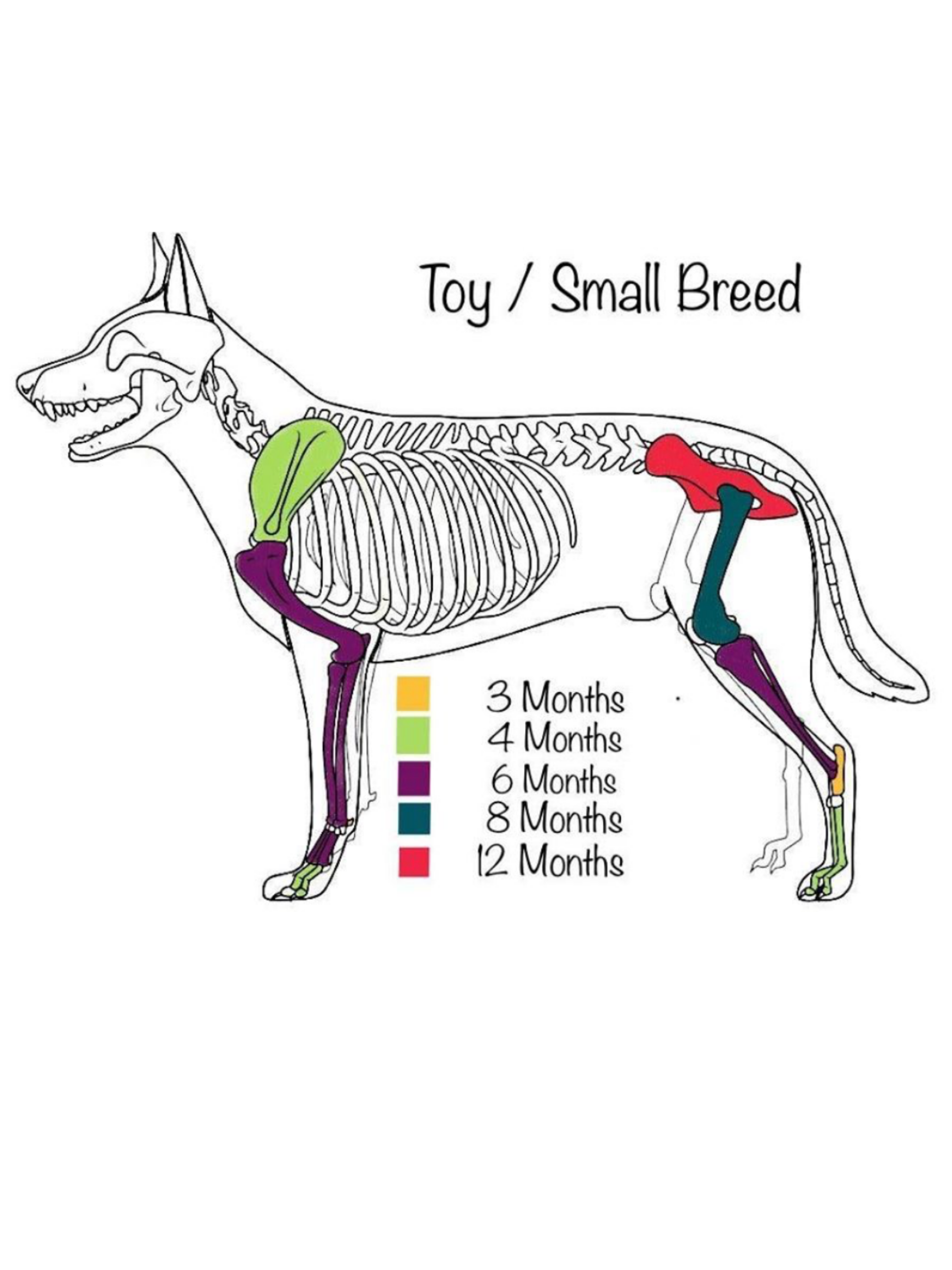
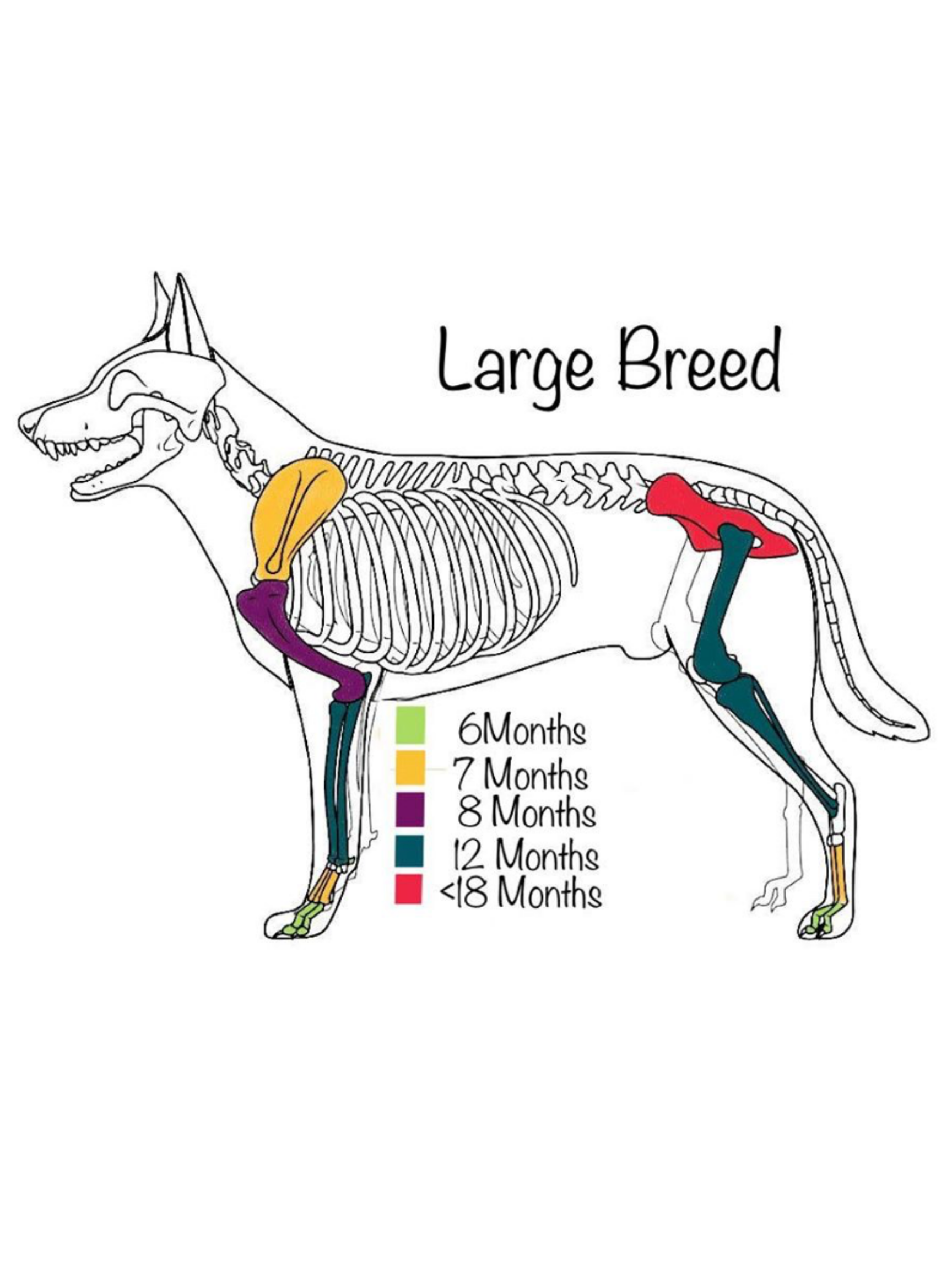
Young dogs are full of energy, and it’s tempting to let them run and play excessively to burn it off. But too much exercise can be harmful, especially to the joints where their growth plates are located. If you have a young dog, you need to be their advocate—they don’t have self-preservation instincts yet. Understanding where your dog’s growth plates are and how long they take to close is key to puppy exercise injury prevention.
Why Controlled Exercise Matters
Excessive, high-impact exercise can lead to long-term issues, even if your puppy seems perfectly fine. Repeated strain can cause:
-
Hip or elbow problems
-
Muscle strains
-
Ligament injuries
6 Tips for Safe Puppy Exercise
-
Use a leash for exercise
Leash walks are safest because you can manage your puppy’s movements. -
Stick to level ground
Avoid hills or uneven terrain. Keep walks under 1 mile. -
Avoid dog parks and daycare
Uncontrolled play with dogs of varying sizes increases injury risk. -
Prioritize mental stimulation
Training and brain games are safer ways to expend energy. -
Low-impact play
-
Food toys and puzzles: Kong, WestPaw, Starmark
-
Digestible chews: Ensure they’re at least 2X the size of your puppy’s mouth
-
Solo games: fetch, flirt pole, tug (controlled)
-
-
Controlled play with other dogs
Keep interactions 1-on-1, with dogs of similar size, in a safe setting like your backyard.
Safe Play Tips
-
Fetch: Roll the ball to avoid jumps from bad bounces.
-
Flirt Pole: Drag along the ground to prevent vertical jumps.
-
Tug: Stay low, keep all four paws on the ground to control intensity.
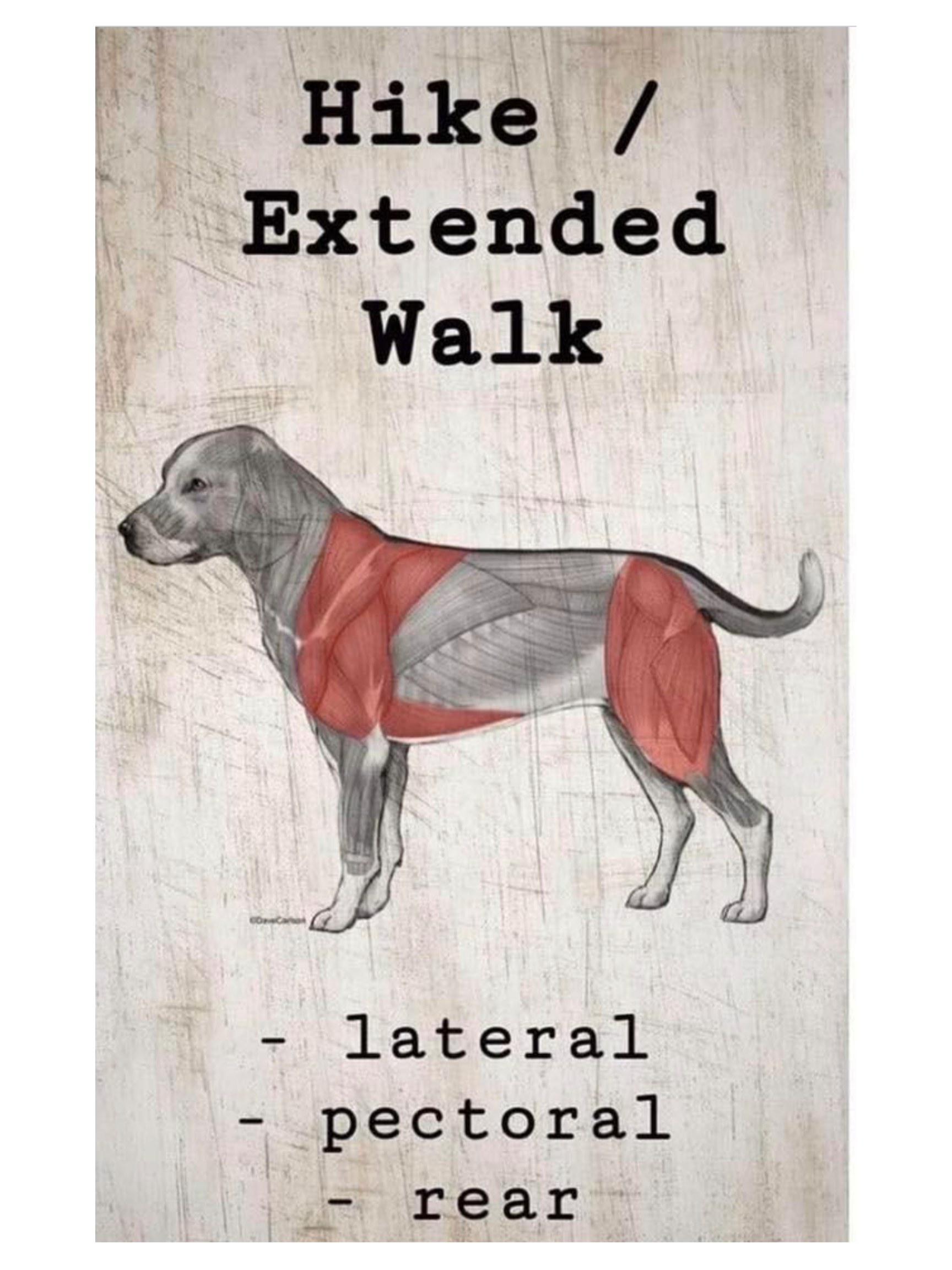
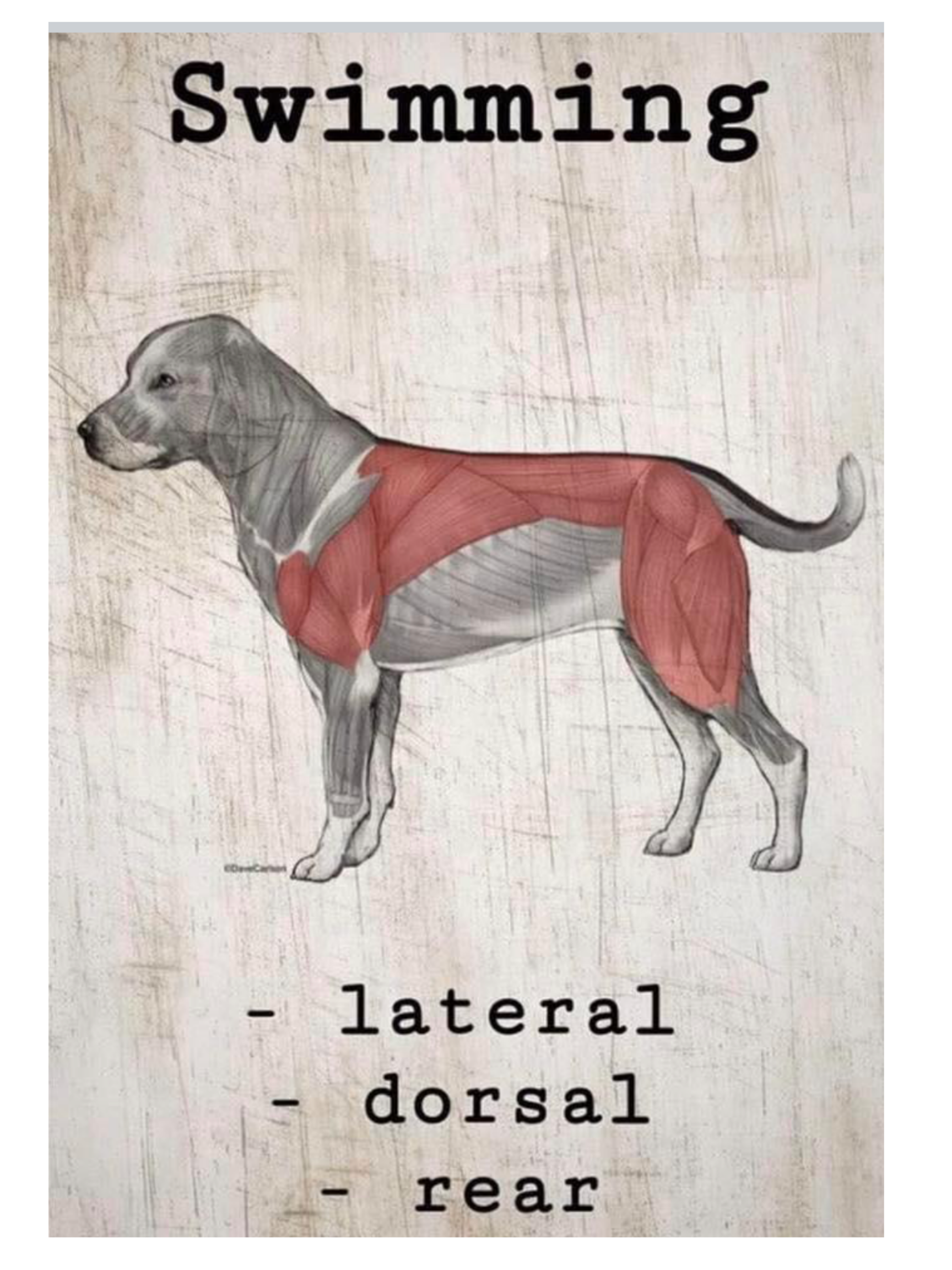
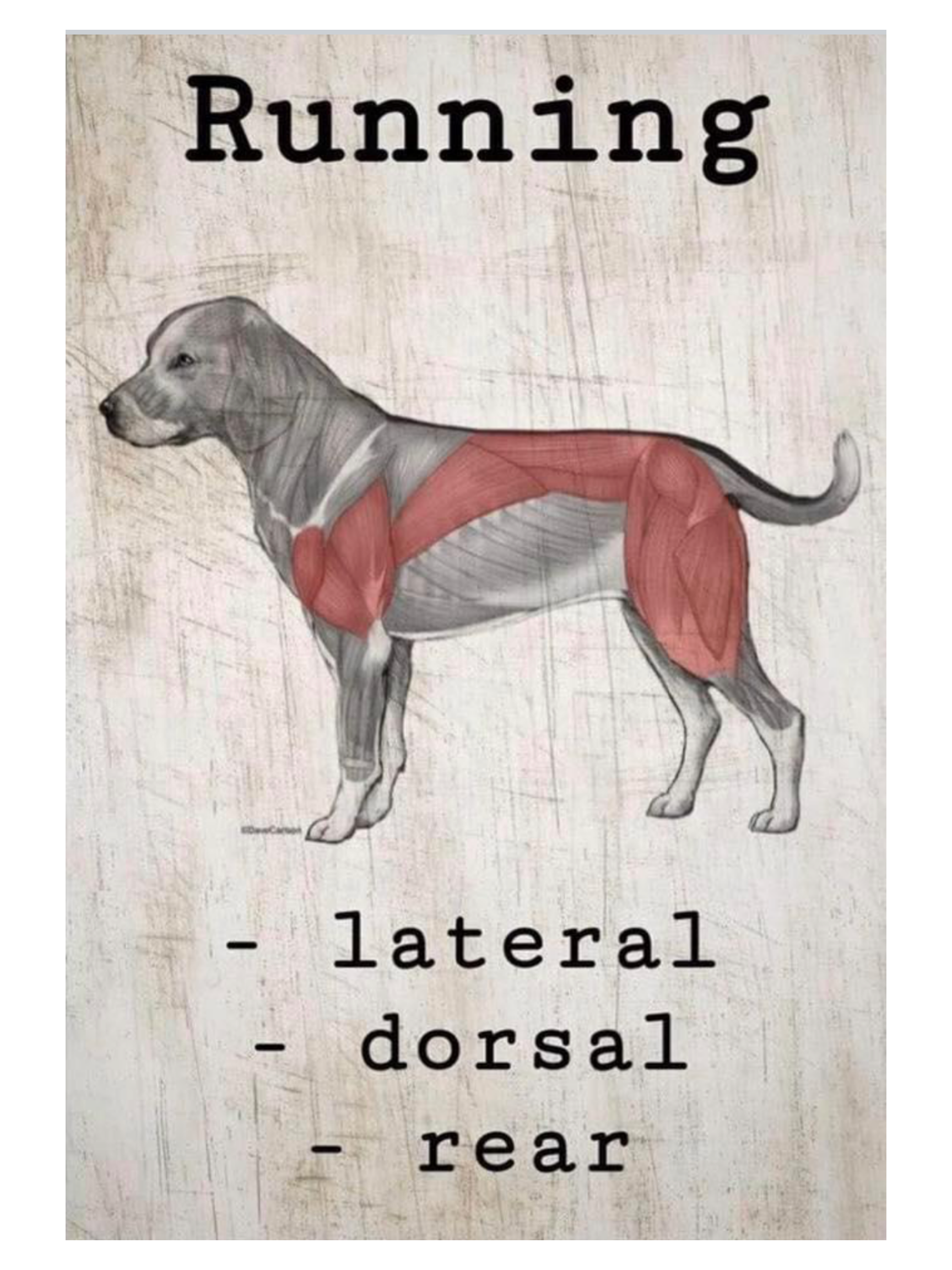
Muscle Diagrams and Growth Plate Considerations
High-impact activities like swimming, running, and extended walks stress the joints and growth plates. Even if your puppy doesn’t show pain, repeated activity can make them more vulnerable to future injuries.
Final Thoughts on Puppy Exercise Injury Prevention
Safe exercise is essential for young dogs. Combining controlled physical activity with mental stimulation will protect their growth plates, prevent injuries, and build a strong foundation for a healthy adult dog. We hope you enjoyed this information on puppy exercise injury prevention.
Happy Training!